
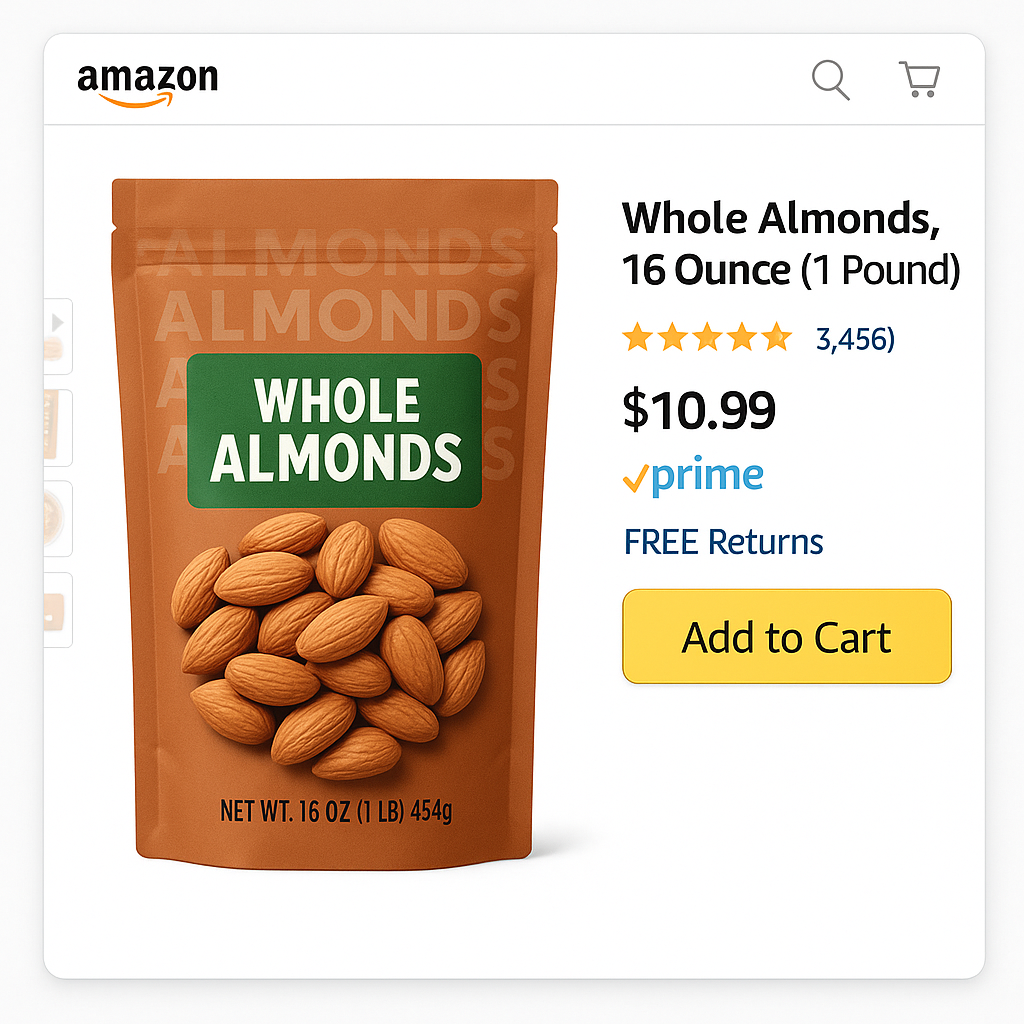
Amazon Enhanced Brand Content: Best Practices for Brands
In today’s competitive Amazon marketplace, standing out is no longer optional—it’s essential. Amazon Enhanced Brand Content (EBC), now widely known as A+ Content, offers brands a powerful way to elevate their product listings beyond basic bullet points and descriptions.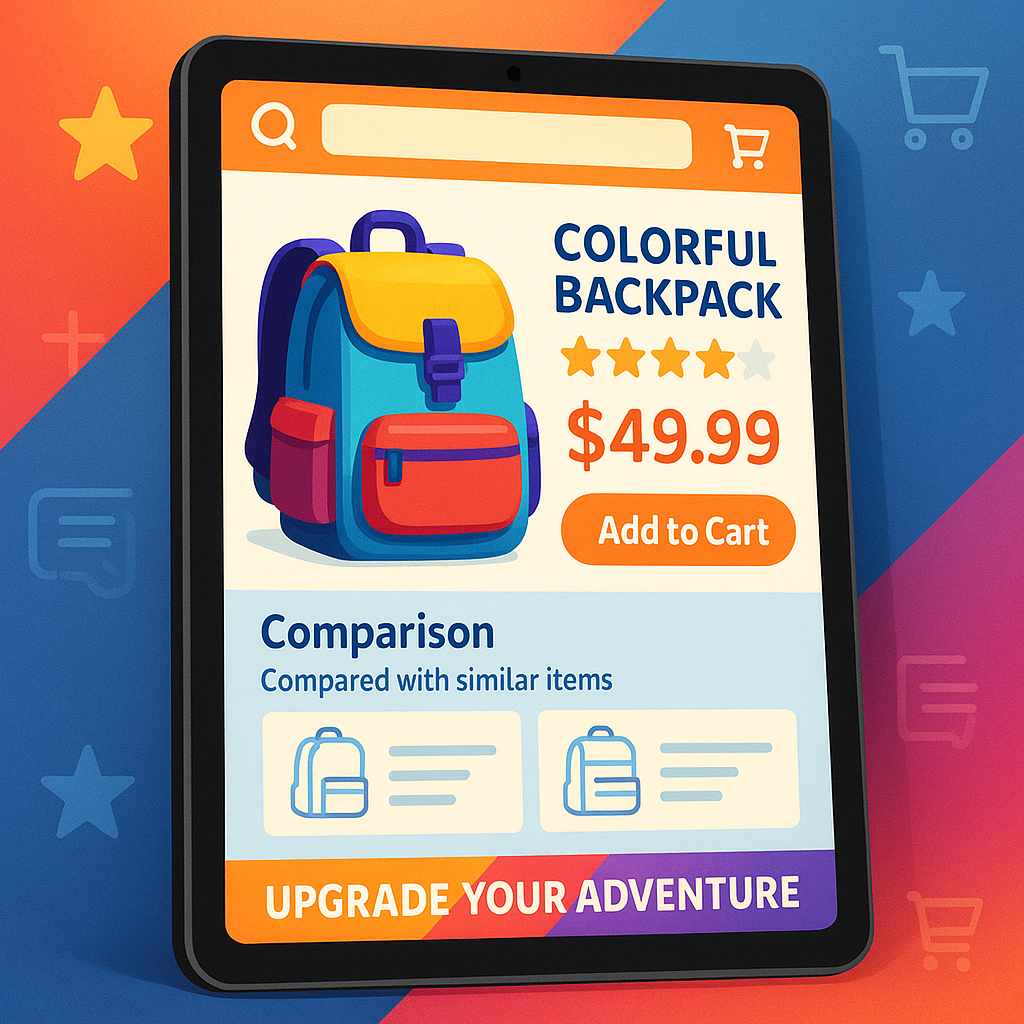
This premium content feature transforms standard Amazon listings into immersive brand experiences, helping shoppers connect with products through enhanced visuals, comparison charts, and rich storytelling. Brands utilizing A+ Content typically see conversion rate increases of up to 10-15%, making it one of the most effective tools for differentiating your products and building brand loyalty in Amazon’s crowded marketplace.
Throughout this guide, you’ll discover how to leverage Amazon Enhanced Brand Content to its fullest potential, learn about different module types and their strategic applications, and master best practices that transform browsers into buyers. We’ll explore everything from fundamental implementation strategies to advanced optimization techniques that help your products shine in Amazon’s competitive landscape.
Understanding Amazon Enhanced Brand Content (EBC)
Enhanced Brand Content represents Amazon’s evolution toward a more brand-centric marketplace experience. Initially launched as a premium feature for vendors, this capability has expanded to accommodate third-party sellers enrolled in Amazon Brand Registry, democratizing access to professional-looking listing enhancements.
EBC, officially rebranded as “A+ Content” to unify the seller and vendor experiences, allows registered brands to customize their product detail pages with rich media and enhanced messaging.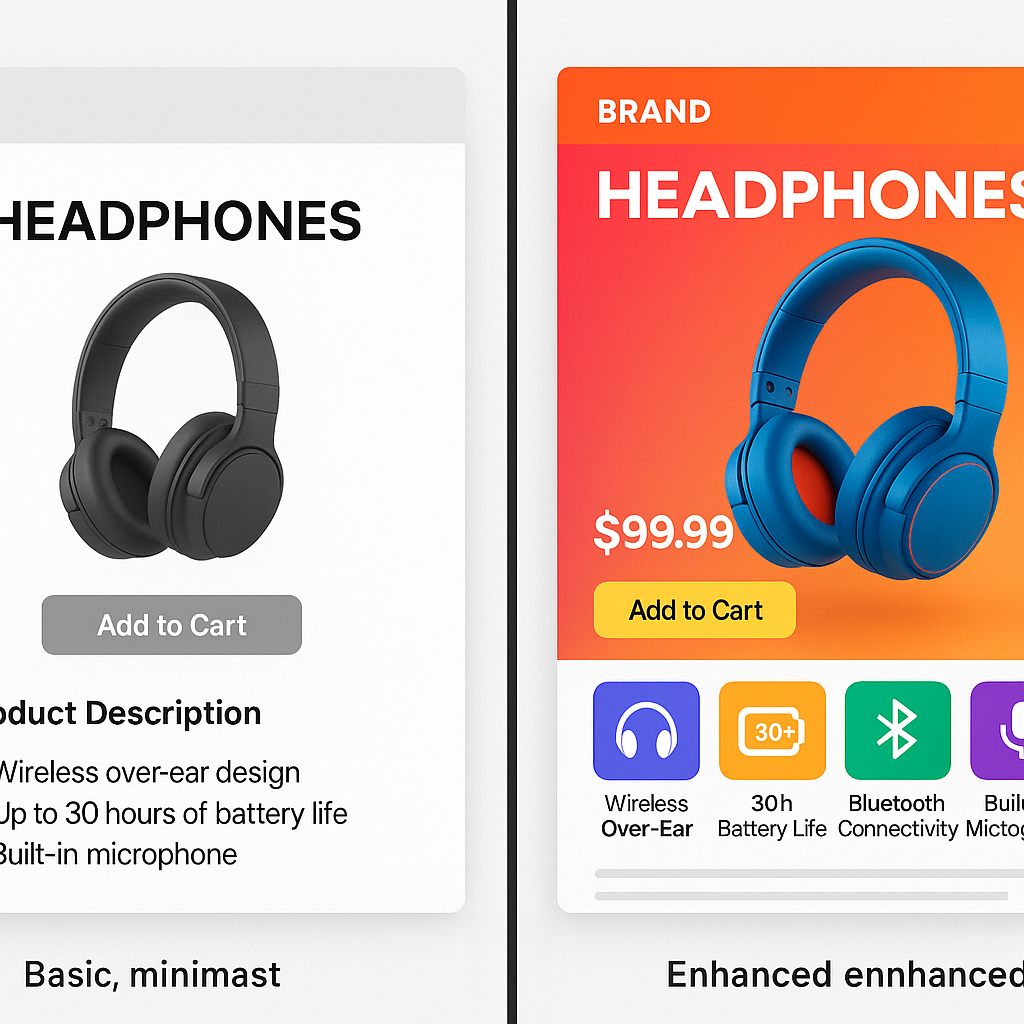
The system now offers three distinct tiers: Basic A+ (available to all registered brands), Premium A+ (invitation-only with advanced interactive elements), and Brand Story (a dedicated module for conveying brand heritage and values).
Basic A+ Content provides fundamental modules including image-text combinations, comparison charts, and technical specification tables. Premium A+ Content expands these capabilities with interactive elements such as video integration, hotspots, and carousel galleries. Brand Story creates a consistent narrative across all your listings, helping establish recognition throughout the customer journey.
To access these features, brands must first complete Amazon’s Brand Registry process, which requires an active registered trademark. Once verified, sellers can create and publish content through the “A+ Content Manager” in Seller Central, subject to Amazon’s review and approval process.
Recent Changes & Eligibility Requirements
Amazon continues to evolve its content capabilities, most recently expanding Premium A+ access to more brands during key selling periods. While Premium A+ was previously available only to top-tier vendors by invitation, Amazon has periodically opened this feature to qualified Brand Registered sellers with strong performance metrics. The standard A+ Content remains accessible year-round to all Brand Registered sellers without additional fees beyond the Brand Registry requirements.
Key Benefits of Amazon Enhanced Brand Content for Brands
Implementing A+ Content delivers multiple strategic advantages that directly impact both sales performance and brand perception. These benefits extend far beyond simple aesthetic improvements.
When properly executed, enhanced content significantly boosts conversion rates by addressing customer questions and objections within the buying journey. Brands effectively implementing A+ Content modules report conversion improvements ranging from 3% to 10% compared to standard listings. This uplift occurs because shoppers gain a deeper understanding of product features, benefits, and use cases through visual storytelling.
Beyond immediate sales impact, A+ Content allows brands to establish a consistent visual identity across their entire catalog. This visual continuity helps shoppers recognize and trust your offerings even when browsing different departments. The enhanced presentation capabilities also facilitate more detailed product education, leading to better-informed purchases and reduced return rates—a critical metric for maintaining profitability.
Enhanced content also strengthens your position in Amazon’s internal search algorithm. While the text within A+ modules isn’t directly searchable, the improved engagement metrics (longer page views, higher conversion rates) send positive signals to Amazon’s ranking systems, potentially improving organic visibility over time.
Finally, products with A+ Content often perform better in advertising campaigns. The enhanced presentation helps maximize the return on your PPC investment by improving the likelihood that shoppers will convert after clicking through from sponsored placements.
Case Study: Kitchen Essentials Brand
A mid-sized kitchen utensil brand implemented comprehensive A+ Content across their top-selling silicone spatula line, focusing on addressing common customer concerns about heat resistance and durability. Their enhanced content featured comparison charts against competing products, detailed material specifications, and lifestyle imagery showing the products in actual cooking scenarios. Within eight weeks of implementation, the brand observed a 13.5% increase in conversion rate and a notable decrease in product questions related to temperature resistance—demonstrating how targeted content can directly address purchase barriers.
Types of Enhanced Brand Content Modules (And How to Use Them)
A+ Content provides various module types that serve different communication purposes throughout your product listing. Understanding when and how to deploy each module type maximizes their effectiveness.
The Company Logo/Header Module establishes brand identity at the top of your enhanced content section. For optimal results, pair your logo with a brief brand tagline or value proposition rather than leaving it as a standalone element. This module works best when consistent across all your listings to reinforce brand recognition.
Image and Text Overlay modules serve as your primary storytelling vehicles. These modules support various configurations (image left/text right or vice versa) and work best when following visual hierarchy principles—leading with your most compelling benefit or feature. Amazon recommends using images at least 1000×500 pixels to maintain quality across viewing devices.
Product Description Feature modules highlight specific benefits through a combination of icons and brief text descriptions. These work particularly well for communicating technical advantages or unique selling propositions in an easily scannable format. Limit text to 100 characters per feature for maximum impact.
Comparison Charts prove invaluable when offering product variations or when customers might be choosing between different models in your line. These modules help shoppers understand feature differences across price points, preventing choice paralysis and reducing the likelihood of returns due to incorrect purchases.
Technical Specification Tables provide detailed information for specification-driven purchases. These modules excel for electronics, appliances, and other technical products where precise measurements or capabilities influence buying decisions. Keep specifications relevant and avoid overwhelming shoppers with unnecessary technical details.
The Brand Story Carousel offers a dedicated space for communicating your brand’s heritage, mission, and values. This module appears consistently across all your listings, creating continuity in the customer experience regardless of which products shoppers view. Focus on authentic storytelling rather than promotional messaging.
For Premium A+ Content users, additional options include Q&A Modules that anticipate and address common customer questions, Hotspot Modules allowing interactive exploration of product features, and Video Modules showcasing products in action. These advanced elements significantly increase engagement but require careful planning to execute effectively.
When implementing these modules, adhere to Amazon’s content guidelines: avoid references to temporary promotions, shipping offers, pricing language, or external website mentions. All claims must be substantiated, and content should remain permanently relevant rather than seasonal or time-limited.
Advanced Modules in Premium A+ Content
Premium A+ Content unlocks sophisticated engagement tools that create truly immersive experiences. The Video Module supports autoplay functionality (without sound) that captures attention as shoppers scroll through listings. For optimal results, design videos that communicate value even without audio and include captions for key information.
Interactive Comparison Charts in Premium A+ allow customers to select and compare specific models or variations, presenting only the most relevant information based on their selections. This capability particularly benefits brands with extensive product lines where feature differentiation drives purchase decisions.
Hover Hotspots create an explorative experience where customers can discover detailed information about specific product features by hovering over designated points on an image. This interactive element increases engagement time and helps communicate complex product functionality without overwhelming the initial visual presentation.
Premium investment makes sense for products with higher price points (generally $50+), complex feature sets requiring detailed explanation, or in highly competitive categories where the enhanced presentation creates meaningful differentiation.
Best practices for creating high-converting Enhanced Brand Content
Creating effective A+ Content requires strategic planning before diving into module selection or design. Begin your process with thorough customer research—analyze questions, reviews, and common objections across both your listings and competitors’. This intelligence reveals the information gaps you need to address in your enhanced content.
Develop a consistent visual language that aligns with your overall brand identity. Maintain color scheme consistency, typography standards, and photographic style across all modules to create a cohesive presentation. This visual consistency reinforces brand recognition and professionalism.
When crafting module layouts, balance visual and textual elements carefully. High-quality imagery should occupy approximately 60-70% of your content space, with concise, benefit-focused text filling the remainder. Avoid text-heavy presentations that overwhelm shoppers or diminish the visual impact of your content.
Lifestyle photography dramatically outperforms sterile product-only images in creating emotional connections. Show your products in realistic usage scenarios that help shoppers envision integration into their lives. These contextual images answer the critical question: “How would this look/work in my environment?”
Complex features or specifications become more digestible through thoughtful information design. Use infographics, icons, and visual callouts to break down technical information into easily understood components. This visual approach proves particularly effective for communicating dimensions, materials, or performance metrics.
Analyze competitor listings to identify opportunities for differentiation. If competing products emphasize similar features, find unique selling points or benefits that remain unaddressed in their content. This differentiation prevents your listing from becoming a “me too” presentation in a crowded marketplace.
Design for multiple viewing contexts from the beginning. Nearly 70% of Amazon shopping occurs on mobile devices, so test how your content appears on smaller screens. Avoid small text overlaid on images and ensure that visual elements remain clear when compressed to mobile dimensions.
Maintain strict compliance with Amazon’s promotional guidelines. Avoid time-sensitive language (“on sale now”), pricing references (“affordable”), guarantee statements, or competitor comparisons by name. Non-compliant content faces rejection or removal, delaying implementation and potentially harming listing performance.
Implement regular testing cycles to refine your approach. Consider tools like PickFu to gather quick consumer feedback on different design approaches before finalizing your listing. Once published, monitor performance metrics to identify optimization opportunities.
Prioritize accessibility in your design approach. Maintain sufficient color contrast for text legibility, avoid relying solely on color to communicate important distinctions, and provide text alternatives when possible for key visual information. These practices ensure your content remains accessible to all potential customers.
Testing and Refinement Tips
Amazon provides limited native testing capabilities through Amazon Experiments, allowing you to compare different A+ Content versions to identify higher-performing variations. When setting up experiments, isolate specific variables (like module arrangement or image selection) rather than completely redesigning multiple elements simultaneously. This controlled approach helps identify exactly which changes drive performance improvements.
External testing platforms like PickFu enable rapid feedback collection before committing to implementation. This pre-deployment testing proves particularly valuable for evaluating different messaging approaches, comparing alternative visual presentations, or validating that your content effectively communicates key product benefits.
When evaluating test results, look beyond simple conversion metrics to deeper engagement signals. Increased time on page, reduced question submission rates, and improvements in review sentiment all indicate that your content effectively communicates product information, even when conversion changes appear modest.
Measuring and maximizing the impact of EBC
Effective measurement forms the foundation of content optimization. Amazon’s retail analytics provide several key performance indicators relevant to A+ Content effectiveness. Monitor your conversion rate before and after implementation, tracking both immediate changes and longer-term trends as the content matures.
Beyond basic conversion metrics, analyze changes in customer engagement patterns. Decreases in customer questions about topics addressed in your enhanced content indicate effective communication. Similarly, review sentiment analysis can reveal whether customers feel adequately informed about product features and functionality after purchasing.
For more sophisticated analysis, implement controlled testing through Amazon Experiments. This native tool allows you to split traffic between different content variations, providing direct conversion comparison data. When designing experiments, maintain consistent external factors (pricing, inventory status, reviews) to isolate content performance differences.
Establish a regular review cycle for your enhanced content. Market conditions, competitive offerings, and customer expectations evolve continuously. Quarterly content audits help identify outdated information, new competitive gaps, or opportunities to incorporate customer feedback into improved presentations.
Seasonal adjustments provide another optimization opportunity. Consider temporary content modifications that align with major shopping events or usage patterns. For example, outdoor equipment listings might emphasize different features during summer versus winter months, though avoid time-specific language that could trigger compliance concerns.
When product specifications or features change, prioritize immediate content updates to maintain accuracy and customer trust. This synchronization between product evolution and content presentation prevents negative reviews stemming from outdated information or misaligned expectations.
Finally, leverage performance insights across your entire catalog. Successful content approaches from high-performing listings often transfer effectively to similar products. This cross-pollination of proven strategies accelerates optimization across your entire product portfolio.
Conclusion
Amazon Enhanced Brand Content represents one of the most powerful differentiation tools available to sellers in an increasingly competitive marketplace. When thoughtfully implemented, these enhanced listing capabilities transform standard product pages into compelling brand experiences that educate, engage, and convert at significantly higher rates.
Success with A+ Content requires more than simply filling available modules—it demands strategic thinking about customer needs, competitive positioning, and visual storytelling. Brands that approach enhanced content as an extension of their overall brand strategy, rather than merely a listing enhancement, realize the greatest performance improvements.
As you implement the best practices outlined in this guide, remember that A+ Content effectiveness improves through continuous refinement. Begin by auditing your current listings against competitor offerings, identifying content gaps and opportunities, then develop a prioritized implementation plan focusing first on your highest-traffic or most competitive products. Through ongoing measurement, testing, and optimization, your enhanced content will continue delivering increasing value over time.
Frequently Asked Questions
What is Amazon Enhanced Brand Content (EBC) and who is eligible for it?
EBC, now known as A+ Content, is a Seller Central feature allowing brands with Amazon Brand Registry to enhance product listings with advanced images, text, and rich media.
What are the main differences between EBC/A+ Content and standard Amazon listings?
EBC/A+ Content includes modules for images, comparison charts, infographics, and interactive elements—unavailable in basic listings—enabling richer brand storytelling and higher conversion rates.
How can I optimize my Enhanced Brand Content for higher conversions?
Focus on high-quality visuals, concise benefit-driven text, data-driven customer research, and ongoing testing—all while following Amazon’s content guidelines.
Does Amazon Enhanced Brand Content improve SEO?
Yes, A+ Content can enhance both on-Amazon SEO and overall discoverability by increasing engagement and helping products rank higher in search results.
Can I update or change my Enhanced Brand Content after publishing?
Yes, EBC/A+ Content can be edited any time in Seller Central; updates are reviewed before going live.